
Title
Community & Care
Year
2018
Story told by
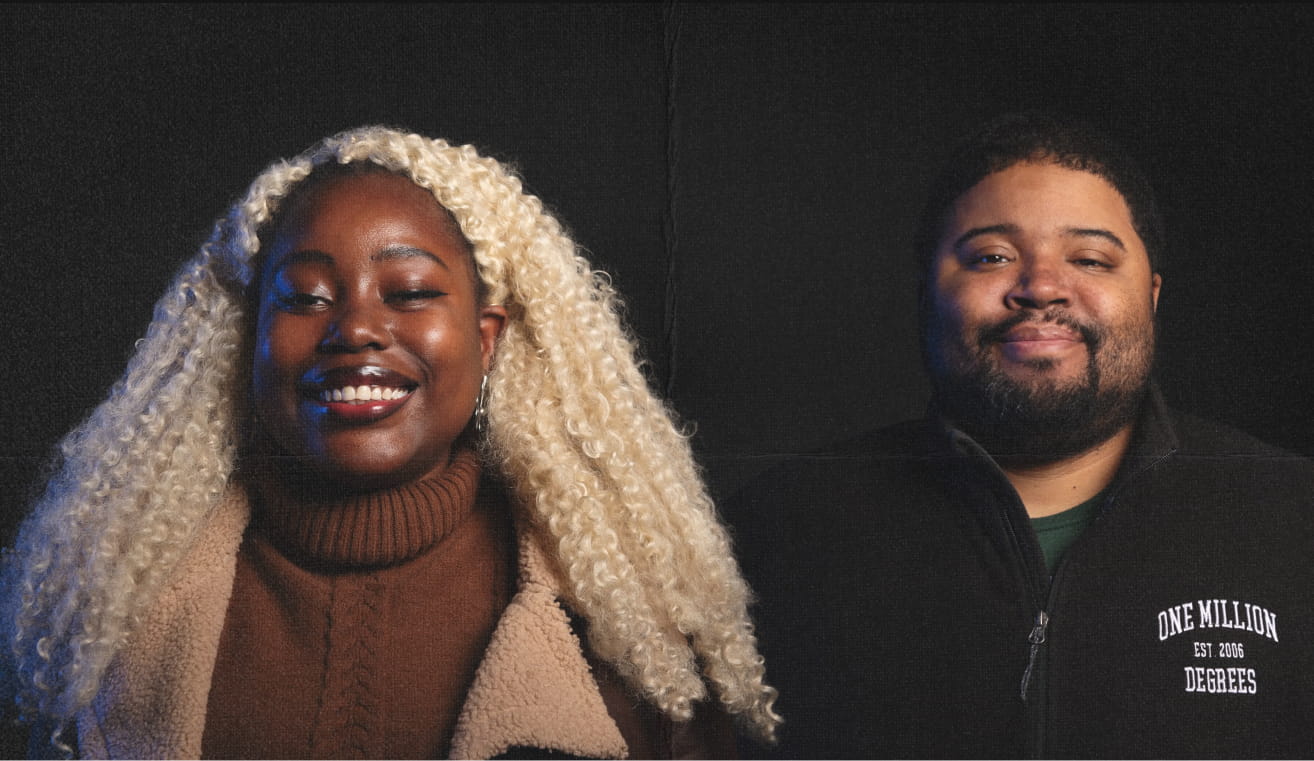
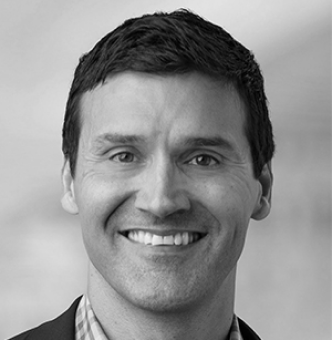
Jessica Atieno-Walker and Jonathan Talley
Community does not happen on its own. It is built through attention, consistency, and the decision to keep showing up, even when things feel quiet or uncertain.
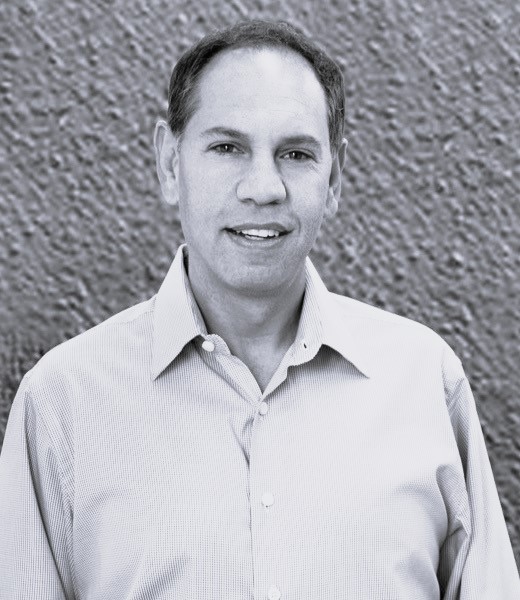
For Jessica Atieno Walker, that understanding comes from standing on both sides of the experience. As both an alumna and a staff member, she knows how easy it is for students to feel isolated, even when support technically exists.
“Community doesn’t just happen, you have to be really intentional about it.”
Jessica Atieno Walker
Jessica describes care as something that shows up in the ordinary moments. It looks like noticing when a student has gone quiet. Following up when progress slows. Staying connected even when there is no immediate problem to solve.
“Sometimes students don’t know how to ask for help,” she says. “They just disappear.”
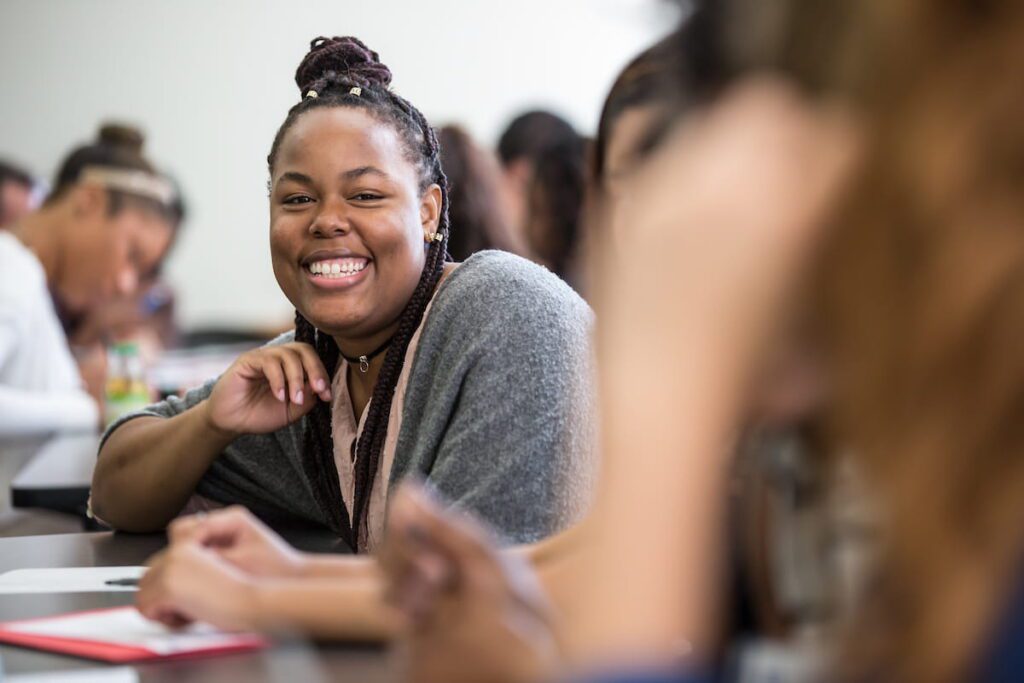
Her approach is shaped by her own experience. Having once been a scholar herself, she understands how quickly momentum can slip when students feel unseen or overwhelmed.
“My goal isn’t to do things for students,” she says. “It’s to make sure they don’t feel like they’re doing everything alone.”
That same philosophy guides Jonathan Talley’s work as a coordinator. For him, community often begins before a student officially joins the program. He talks about relationships forming early, through small moments of encouragement and resource-sharing.
“A lot of times, the relationship starts before a student ever officially joins,” he says.
Jonathan sees care as a practice rooted in presence. It is listening without rushing. It is checking in again after the first conversation. It is helping students identify what they need without positioning himself as the solution.
“I don’t see my role as fixing things,” he says. “I see it as helping students figure out what they need.”
Jonathan Talleys
Supporting students through stress, grief, or uncertainty requires patience and boundaries. Both Jessica and Jonathan describe care not as intensity, but as follow-through.
“The real work is showing up again after that first conversation,” Jonathan says.
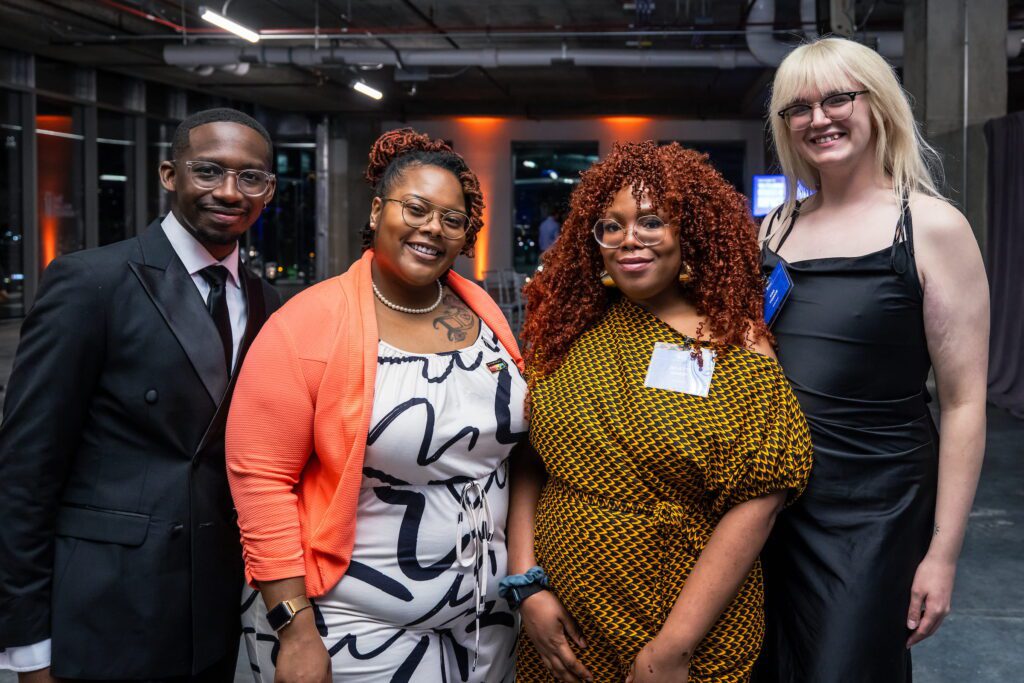
Together, their perspectives reflect a shared belief. Community is not built through single interventions or big gestures. It is built through steady presence. Through making sure students do not slip through unnoticed. Through walking alongside them long enough for them to keep going on their own.
This is what care looks like at One Million Degrees. Not rescuing. Not fixing. Just showing up, day after day. It is the work that happens between moments.